If you're wondering "shouldn't I be back to normal by now?", you're not alone, and you're not behind. Postpartum recovery isn't a quick reset. There's a lot happening in your body at once, across several systems, and it takes months, sometimes longer...
What recovery actually looks like
2 weeks
This is the early healing phase. Your uterus is shrinking, bleeding is still present and your tissues are recovering. Everything can feel heavy, sore and very tiring. Your pelvic floor is under load and your abdominal wall is still very stretched.
6 weeks
This is not full recovery. It's simply the point where basic healing has happened. Even if you get the "all clear", it doesn't mean your body has fully healed.
3 months
Strength and connection are starting to return, but your muscles are still recovering. Pelvic floor symptoms can still be very present at this stage.
6 months
Function is improving, but your body is still adapting. Tissues are still healing, especially with broken sleep, feeding and the ongoing load of caring for a baby. For many women this is still very much a recovery phase, and many changes continue to 12 months and beyond.
Why the 6 week check can be misleading
The 6 week check is medical clearance, not full recovery. Your muscles, fascia and connective tissue take much longer to recover, and being "cleared" doesn't mean your core or pelvic floor are fully functional.
A proper pelvic floor assessment is really valuable, even if you feel fine or had a C-section. If you had a caesarean, our C-section recovery guide covers what to keep in mind.
What surprises women most
It's not one thing, it's everything combined: the tiredness, the deconditioning, the depletion, and that feeling of not quite being in your own body yet.
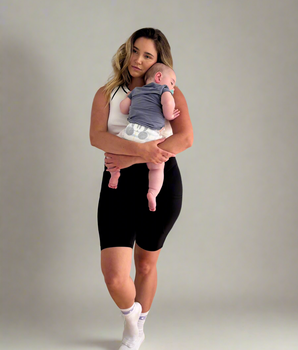
On top of that is the physical load of caring for a baby. Feeding, holding, carrying and rocking, often in awkward positions, over and over, without much recovery. And as your baby grows, so does the load.
Ab separation is normal
During pregnancy, the connective tissue down the middle of your tummy (the linea alba) stretches to make room for your baby. What matters more than the size of the gap is how well that tissue works. A separation with good tension and control can function really well. Early support, combining simple rehab with external support like compression, can make a big difference. Read more in our article on abdominal separation after birth.
3 things that actually help recovery
Recovery isn't just about rest. It's about reducing load and supporting your body while it heals.
1. Horizontal rest
Even short periods lying down take pressure off your pelvic floor and give your body a break.
2. Reduce load where you can
Pre-made meals, sitting down to feed, asking for help. It's not forever, it's just for this phase.
3. Compression
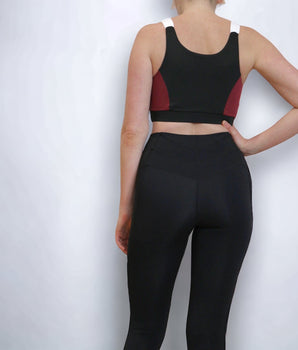
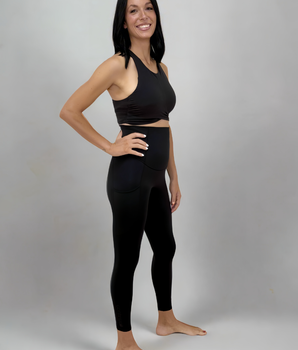
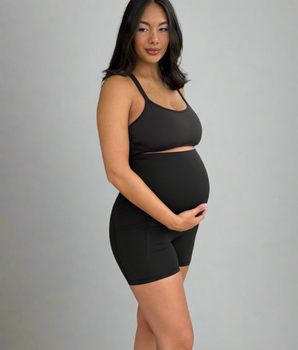
Compression gives external support to your abdominal wall and pelvis while your body reconnects and rebuilds. Our postpartum range was designed by osteopaths with RepairWear® panels for your core and lower back, and you can wear it for as long as you need.
You're not behind
Recovery isn't linear. Sleep, stress, feeding and daily load all affect how your body feels from one week to the next. Your body has changed, recovery takes time, and nobody expects you to bounce back.
This article is general information from our osteopaths and isn't a substitute for individual advice. Speak to your GP, midwife or a pelvic health physio about your own recovery.