If your lower back is aching, your pelvis feels sore or your back suddenly looks curvier than it used to, you're not imagining it!! As pregnancy osteopaths, we've treated thousands of pregnant women, and back and pelvic discomfort is one of the most common things we see...
The good news? Most of it comes down to your body doing exactly what it's designed to do. Understanding what's happening makes it much easier to support.
Why your back and pelvis feel different in pregnancy
As your baby grows, your weight shifts forward. Your body adapts with a slight forward tilt of the pelvis and an increased curve in your lower back. It's completely normal, but it means more load through your low back and pelvis. That's usually the reason behind the "why does my back look different?" moment.
It's not just your posture that changes. Your muscles are working harder all day to hold you in this new position, and that postural fatigue can start as early as the first trimester.
What's happening, trimester by trimester
First trimester
Hormones like relaxin and progesterone increase ligament laxity. That doesn't mean your body is unstable. It just means your joints have a little more movement available, so your muscles work harder to support them. This is why some women notice early fatigue or niggles well before a bump appears.
Second trimester
As your baby grows, your center of gravity moves forward. Your pelvis tilts slightly and the curve in your lower back increases. Your glutes, deep core and pelvic floor all have to work harder to support you. This is often when pelvic girdle pain or low back pain starts to creep in.
Third trimester
Load is at its highest. There's more pressure through your lower spine and pelvis, more demand on your pelvic floor and often more fluid retention. This is when we tend to see more pelvic pain, rib discomfort and that overall heavy, tired feeling.
"My pelvis is unstable" (and why that's usually not the case)
This is one of the things we hear most in clinic. Yes, there is more movement available at your joints during pregnancy. But that doesn't mean things are unsafe or "loose". It usually just means your muscles need more support.
The same goes for relaxin. It often gets blamed for everything, but pain isn't caused by relaxin alone. It's usually the combination of extra movement, extra load and tired muscles. You are not fragile, and movement and strength are still important.
3 things you can do today to support your body
1. Wear supportive compression
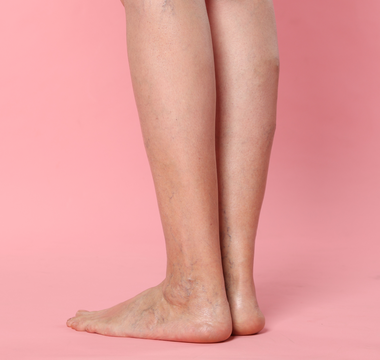
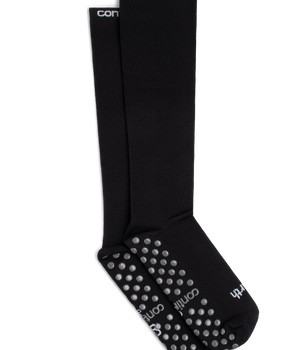
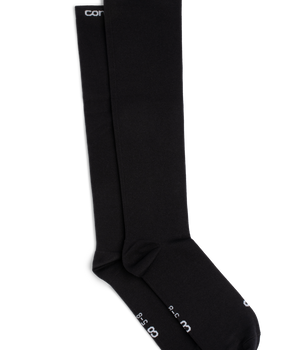
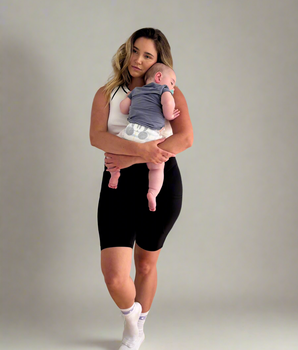
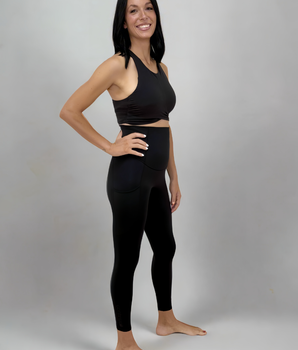
Gentle compression around your back and bump can support your posture and reduce strain, and graduated compression through the legs can help support circulation. Our pregnancy range uses RepairWear® panels designed to support your lower back and pelvis, with a bump panel that grows with you to full term.
2. Start simple core and pelvic floor activation
Think a gentle pelvic floor lift and a slow exhale while drawing your lower tummy in. Nothing fancy, just consistent. And one small thing that matters: you don't need to push when you pee. Let your pelvic floor relax.
3. Change how you move
- Roll onto your side to get out of bed.
- Sit down to get dressed.
- Avoid standing on one leg where you can.
Small changes like these make a big difference to how your pelvis feels by the end of the day.
When to get it checked
A dull back ache on its own is usually very normal. But back pain alongside regular cramping or tightening, or pain that's intense, persistent or getting worse, should always be checked by your midwife, GP or obstetrician. Our guide to what's normal and what's a red flag in pregnancy goes through this in more detail.
If something feels off, get it assessed. It's always better to have pain looked at than to try to decide on your own whether it's "normal".
Want to go deeper? Read our article on pelvic girdle and lower back pain during pregnancy and postpartum.
This article is general information from our osteopaths and isn't a substitute for individual advice. Always speak to your healthcare provider about your own pregnancy.