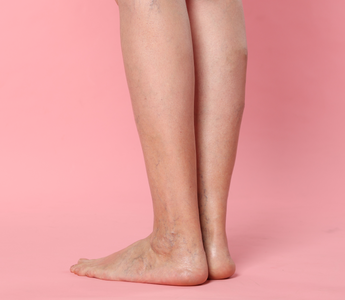
Hello, wonderful mums-to-be! Swollen feet and ankles are one of the most common things we hear about in clinic. Let's look at why swelling happens during pregnancy, some simple ways to stay comfortable, and when it's worth getting checked.
Why does swelling happen in pregnancy?
It's all about the incredible ways your body adapts to support your growing bub. Here's the scoop:
Increased blood volume: During pregnancy, your body makes more blood to carry oxygen and nutrients to your baby. This extra volume puts more pressure on your blood vessels, especially in your lower legs, which can lead to swelling.
Hormonal changes: Hormones like progesterone and relaxin help relax your muscles, joints and blood vessels to make room for your growing uterus. This is essential for a healthy pregnancy, but it can also contribute to fluid build up.
Fluid retention: Your body holds on to more fluid during pregnancy to support your increased blood volume. Gravity means this fluid often collects in your legs and feet, especially at the end of the day or in hot weather.
Tips to stay comfortable
Keep moving: Gentle exercise like walking, swimming or pregnancy yoga keeps your legs moving and can help them feel lighter. Our guide to exercise in pregnancy has more ideas.
Put your feet up: Whenever you can, rest with your legs raised on a footstool or a few pillows. Try not to sit or stand in one position for too long, and take regular breaks to walk around.
Stay hydrated: It sounds backwards, but drinking plenty of water is important for your overall health in pregnancy, including how your body manages fluid.
Eat well: A balanced diet with plenty of fruit and vegetables supports your body through pregnancy. Your GP or midwife can help if you have questions about salt or diet.
Choose comfortable clothes and shoes: Avoid anything tight around your ankles or calves, and wear supportive, comfortable shoes. Many mums also like wearing compression (more on that below). See our guide on what to wear when pregnant for more.
Where does compression fit in?
Compression wear applies gentle, even pressure to your legs. Many mums find it helps their legs feel lighter and more comfortable, especially on long days on their feet.
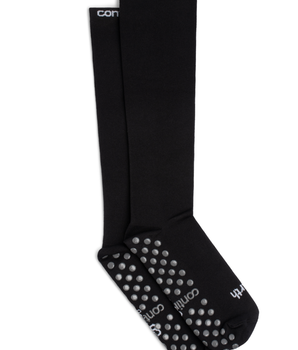
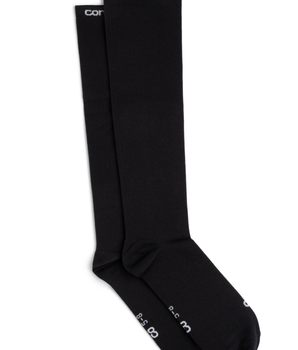
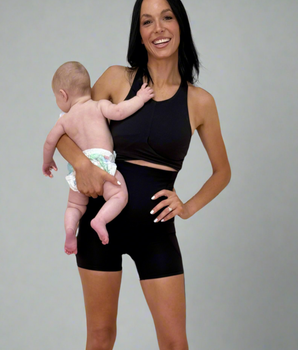
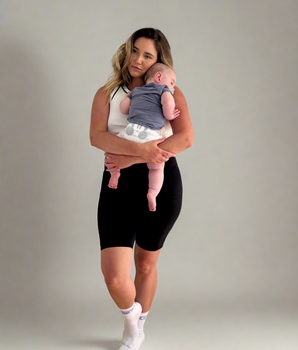
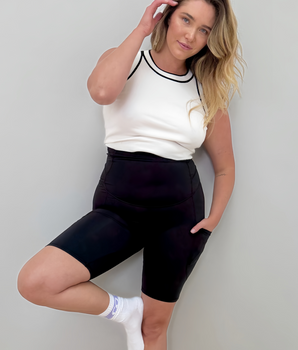
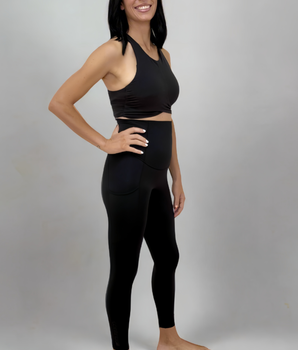
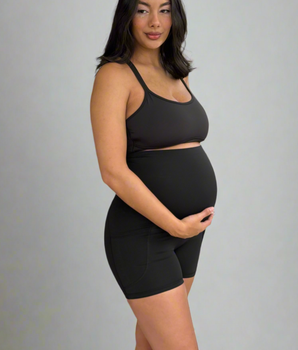
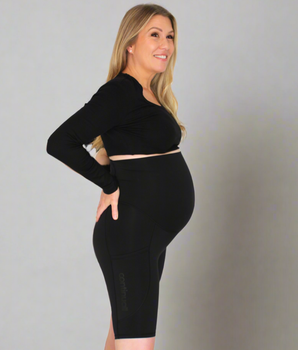
Our pregnancy compression tights have gentle graduated leg compression designed to support circulation and leg comfort, plus RepairWear® panels for your lower back and pelvis and a soft bump panel that grows with you. Our compression socks offer gentle compression (15 mmHg*) for tired legs and feet, whether you're pregnant, travelling or on your feet all day.

Want to know more about how compression works? Read our guide to compression in pregnancy and postpartum.
Compression isn't right for everyone. If you have a circulation or heart condition, a skin condition on your legs, or reduced feeling in your legs or feet, please check with your health professional before wearing compression.
When to get checked
Some swelling is a normal part of pregnancy, but please contact your midwife or doctor straight away if you notice:
- sudden or severe swelling, especially in your face or hands
- swelling, pain, redness or warmth in one leg more than the other
- swelling along with a bad headache, changes to your vision, or pain under your ribs
If you're ever unsure, it's always worth checking in. That's what your care team is there for.
*Compression levels may vary with leg size, fit and individual body differences.
- Blog written by Dr. Ash Bolton - Osteopath + Co-founder of Continuall
Bachelor of Science (Osteopathy)/Master of Health Science (Osteopathy)
This article is general information only and isn't a substitute for advice from your health professional.