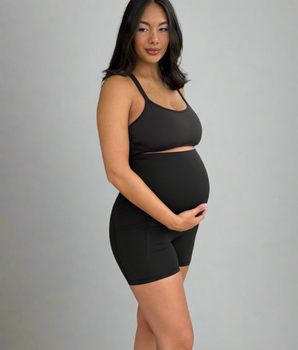
If you're pregnant and wondering whether you should still be moving, the short answer is yes. For most people with an uncomplicated pregnancy, regular exercise is safe for you and your baby, and it's one of the best things you can do for your back, pelvis, mood and sleep!!
The longer answer is that your body is changing every week, so the way you move may need to change too. Here's what the current Australian guidelines say, plus the practical tips we give in clinic.
How much exercise is recommended in pregnancy?
The Australian Government and RANZCOG (the college of obstetricians) recommend:
- 150 to 300 minutes of moderate activity a week, spread across most days. That's roughly 30 minutes, 5 days a week.
- Muscle strengthening on at least 2 days a week, ideally on non-consecutive days.
- Pelvic floor exercises every day.
"Moderate" means you can still hold a conversation but you couldn't sing. If you weren't active before pregnancy, that's fine. Start small, 10 to 15 minutes at a time, and build up. Some movement is always better than none.
Why it's worth it
Staying active in pregnancy is linked with a lower risk of gestational diabetes and high blood pressure in pregnancy, less back and pelvic pain, better sleep, better mood and a smoother recovery after birth. From an osteopath's point of view, strength is protective. As your bump grows and your center of gravity shifts forward, strong glutes, hips and upper back help carry that load so your lower back and pelvis don't have to do it all.
Good options for most pregnancies
- Walking. Easy to start, easy to adjust, and good for swelling and mood.
- Swimming and aqua aerobics. The water takes the weight off your joints, which many people love in the third trimester.
- Stationary cycling. Lower fall risk than riding outdoors.
- Pregnancy pilates and yoga. Look for classes run by someone trained in pregnancy, and skip hot yoga.
- Strength training. Squats to a chair, bridges, side-lying leg work, rows, wall push ups and carries with sensible weights.
What to modify as your pregnancy progresses
Current guidelines suggest avoiding or adapting the following:
- Lying flat on your back for long periods after the first trimester. The weight of your uterus can press on a large vein and make some people feel dizzy or unwell. Use an incline, side lying or all fours instead.
- Activities with a high risk of falls or collisions, such as contact sports, horse riding, downhill skiing and gymnastics.
- Big pressure changes, such as scuba diving.
- Heavy lifting and long breath holds. Breathe out on effort rather than bracing and holding your breath. If a weight makes you strain, it's too heavy for now.
- Exercising in high heat, including hot yoga, saunas and spas. Keep cool and drink water.
- Anything that causes pain. Pain is information, not something to push through.
If you were already running or lifting before pregnancy, you can often keep going with guidance from your care team. It's usually not the time to take up high intensity running or heavy lifting for the first time.
Pelvis-friendly movement tips from our osteopath
Pelvic girdle pain is common in pregnancy, and it doesn't mean your pelvis is unstable. It usually means it's sensitive and needs the load shared differently. These small changes help a lot of our patients:
- Keep your knees together when getting in and out of the car or rolling over in bed.
- Take smaller steps on stairs and when walking fast.
- Go easy on single-leg positions such as lunges and standing on one leg to get dressed, if they flare your pain. Sit down to put on pants and shoes.
- Keep strengthening your glutes and hips. Clams, bridges and side steps are good places to start.
- Change position often. Movement is medicine for a sore back, and staying still for hours is often what makes it worse.
For a deeper look at this, read our guide to back and pelvic pain in pregnancy.
Don't forget your pelvic floor
Your pelvic floor supports the weight of your baby all pregnancy, so it's worth training daily. Gently lift and squeeze as if you're stopping wind and holding in a wee, hold for a few seconds while you keep breathing, then fully let go. Letting go matters as much as the squeeze. If you're not sure you're doing it right, a women's health practitioner can check for you.
Warning signs: stop and get checked
Stop exercising and contact your midwife, GP or obstetrician if you notice:
- Vaginal bleeding or fluid leaking
- Regular painful contractions
- Chest pain, or breathlessness that's out of proportion to what you're doing
- Dizziness, fainting or a severe headache
- Calf pain or swelling, or sudden swelling of your face, hands or feet
- Your baby moving less than usual
Some pregnancies need a different plan, for example with placenta previa, some heart or lung conditions, a short cervix or a risk of preterm labour. Always check with your care team about what's right for you.
What to wear
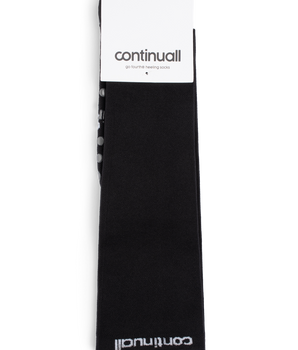
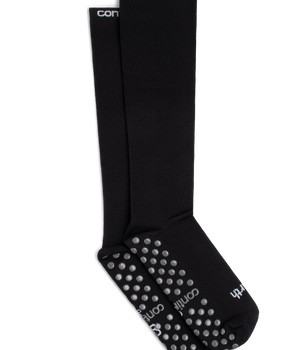
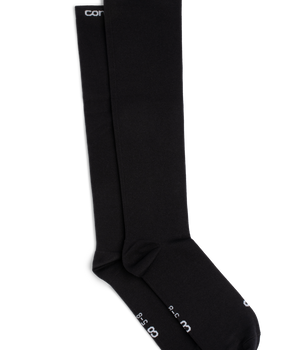
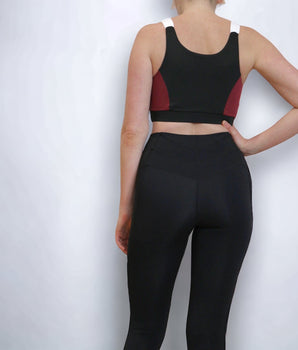
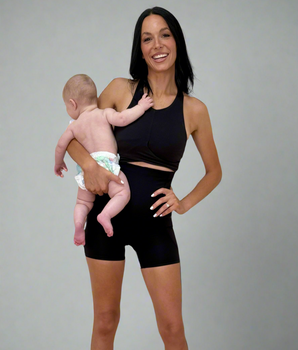
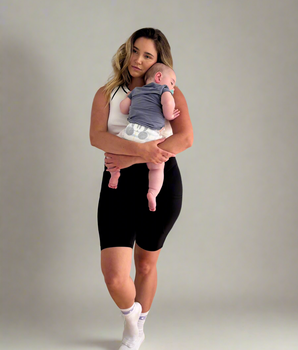
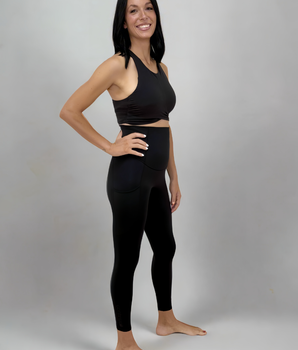
Comfortable, supportive clothing makes it much easier to keep moving. Many people find gentle graduated compression helps legs feel lighter on long walks or days on your feet. Our pregnancy supportwear was designed by osteopaths (US!) to support your bump, hips and legs, and our support socks are a simple option for tired, swollen feet. You'll find more tips in our compression guide.
The bottom line
Move most days, lift something twice a week, train your pelvic floor, and adjust as you go. You don't need to be perfect. You just need to keep your body feeling capable.
References
- Australian Government Department of Health and Aged Care. Physical activity and exercise during pregnancy.
- RANZCOG. Exercise during pregnancy (C-Obs 62).
- Women's Health Education Network. Recommendations for exercise and pregnancy (2025).
This article is general information only and isn't a substitute for personalised advice. Please speak with your midwife, GP, obstetrician or women's health physiotherapist before starting or changing exercise in pregnancy.