Search "things to avoid in pregnancy" and you'll find long lists about food, drinks and medications. Those matter, and your midwife, GP or obstetrician is the best person to guide you on them. This article looks at something that often gets missed: the everyday movements, positions and habits that can make your back and pelvis work harder than they need to.
These are the things we talk about with our pregnant patients EVERY week....
1. Going to sleep on your back from 28 weeks
Australian research through the Safer Baby Bundle shows that going to sleep on your side from 28 weeks can halve the risk of stillbirth, compared with going to sleep on your back. This applies to naps as well as night time sleep. Most people think its much earlier than this but new research says 28 weeks. So you have TIME before needed to shift to the side!
If you wake up on your back, don't panic!! Just roll onto your side again. Either side is fine.
Osteopath's tip: side sleeping is much comfier for your hips and pelvis with a pillow between your knees AND ankles anyway.... and a small pillow under your bump too.
2. Lying flat on your back for long periods
After the first trimester, the weight of your uterus can press on a large vein when you lie flat, which can make you feel dizzy, sick or short of breath. This is why exercise guidelines suggest avoiding long periods lying flat on your back from the second trimester. Use an incline, side lying or all fours for stretches and exercise instead. Once again dont panic if you do feel dizzy or sick, just roll onto side again.
3. Heavy or awkward lifting
There's no single weight limit that applies to everyone in pregnancy. It depends on your fitness, your pregnancy and what you're used to. Some Australian exercise guidance discourages lifting more than about 15kg, and SafeWork NSW's advice for pregnant workers is simple: if in doubt, don't, and ask for help.
If you do need to lift:
- Keep the load close to your body.
- Bend your knees and hips, not just your back.
- Breathe out as you lift instead of holding your breath.
- Avoid twisting while you're holding something heavy.
- Carry toddlers in front of you or share the load, rather than always on one hip.
4. Standing or sitting in one position for hours
Long periods of standing can make swelling worse and load your lower back. Long periods of sitting can leave your hips and back stiff. The best posture is your next posture....
- If you stand a lot, take regular breaks to sit with your feet up.
- If you sit a lot, get up every 30 to 45 minutes to walk and stretch.
- Sit with your hips a little higher than your knees, with your back supported.
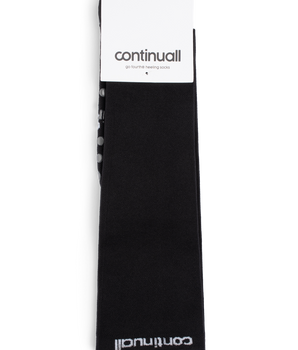
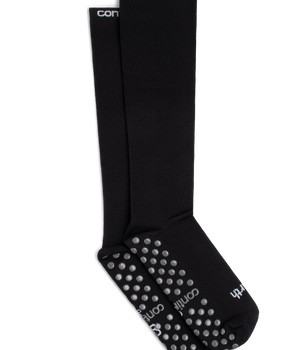
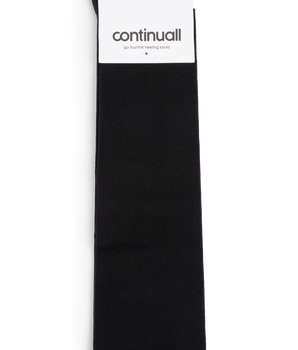
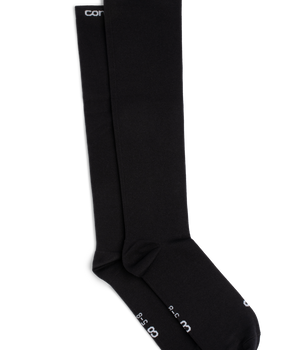
Graduated compression can help legs feel lighter on long days. See our guide to swelling in pregnancy for more.
5. Movements that flare pelvic girdle pain
If you have pain at the front or back of your pelvis, some movements load one side of your pelvis more than the other. Try to limit:
- Standing on one leg to get dressed. Sit down instead.
- Wide or uneven steps, such as big lunges or taking stairs two at a time.
- Separating your knees getting in and out of the car or rolling in bed. Keep them together.
- Straddling or sitting cross-legged for long periods, if it aggravates your pain.
- Pushing heavy things like a loaded trolley or vacuum with one leg forward for long periods.
Read more in our guide to back and pelvic pain in pregnancy.
6. High heels and unsupportive shoes
As your bump grows and relaxin loosens your ligaments, your balance changes and your lower back works harder. High heels and flimsy shoes add to that load and raise your risk of falls. Choose flat or low-heeled shoes with a good grip and some arch support.
7. Hot tubs, saunas and hot yoga
Getting very hot, especially in early pregnancy, is best avoided. Skip spas, saunas and heated exercise classes, and keep cool and hydrated when you exercise in warm weather. A warm (not hot) bath or shower is fine and can be lovely for a sore back.
8. Contact sports and activities with a high fall risk
Current guidelines advise avoiding activities with a risk of falls or blows to the tummy, such as contact sports, horse riding, downhill skiing and gymnastics, as well as scuba diving because of pressure changes. So avoid being a cowgirl for now if you can.
9. Straining on the toilet or holding your breath
Constipation is common in pregnancy, and straining puts a lot of pressure on your pelvic floor. Eat plenty of fibre, drink water, stay active and try a small footstool so your knees are higher than your hips. The same goes for exercise: breathe through effort instead of bracing and holding your breath.
10. Pushing through pain
Pain in pregnancy is common, but it's not something you have to grit your teeth through. If a movement or exercise hurts, modify it or stop. Persistent pain is worth getting checked by an osteopath, physiotherapist or your GP. Our guide to pregnancy aches: normal or red flag? explains which symptoms need urgent attention.
Things you don't need to avoid
- Exercise. Staying active is RECOMMENDED for most pregnancies. See our exercise in pregnancy guide.
- Bending forward. It's fine, as long as it's comfortable.
- Worrying that your pelvis is "unstable". Your pelvis is designed to adapt in pregnancy. Pain usually means it's sensitive and needs support, not that it's damaged.
- Resting. Rest is productive. Put your feet up when you can.
Support that works with your body
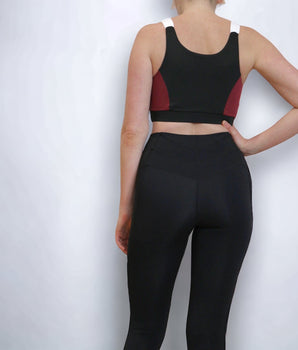
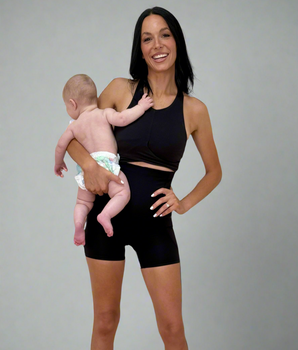
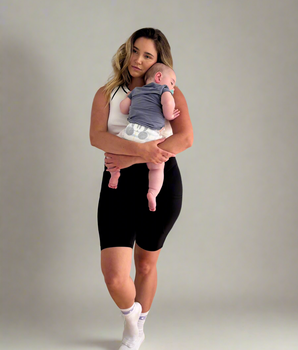
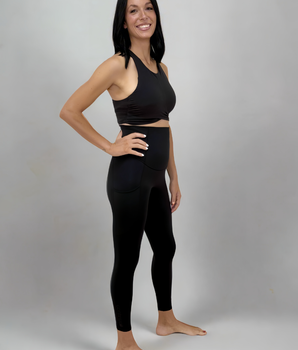
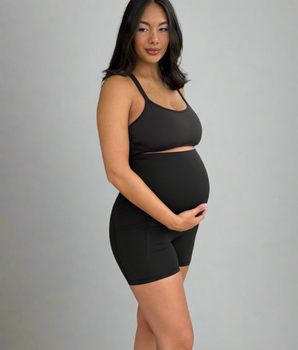
Our pregnancy supportwear was designed by an osteopath and a physiotherapist to gently support your bump, hips and legs through everyday life. Pair it with our support socks for long days on your feet.
References
- Stillbirth Centre of Research Excellence. Safer Baby Bundle: side sleeping.
- RANZCOG. Exercise during pregnancy (C-Obs 62).
- Women's Health Education Network. Recommendations for exercise and pregnancy (2025).
- SafeWork NSW. Pregnancy and work safety.
- Australian Government Department of Health and Aged Care. Physical activity and exercise during pregnancy.
This article is general information only and isn't a substitute for personalised advice. For guidance on food, medications and other pregnancy safety topics, please speak with your midwife, GP or obstetrician.